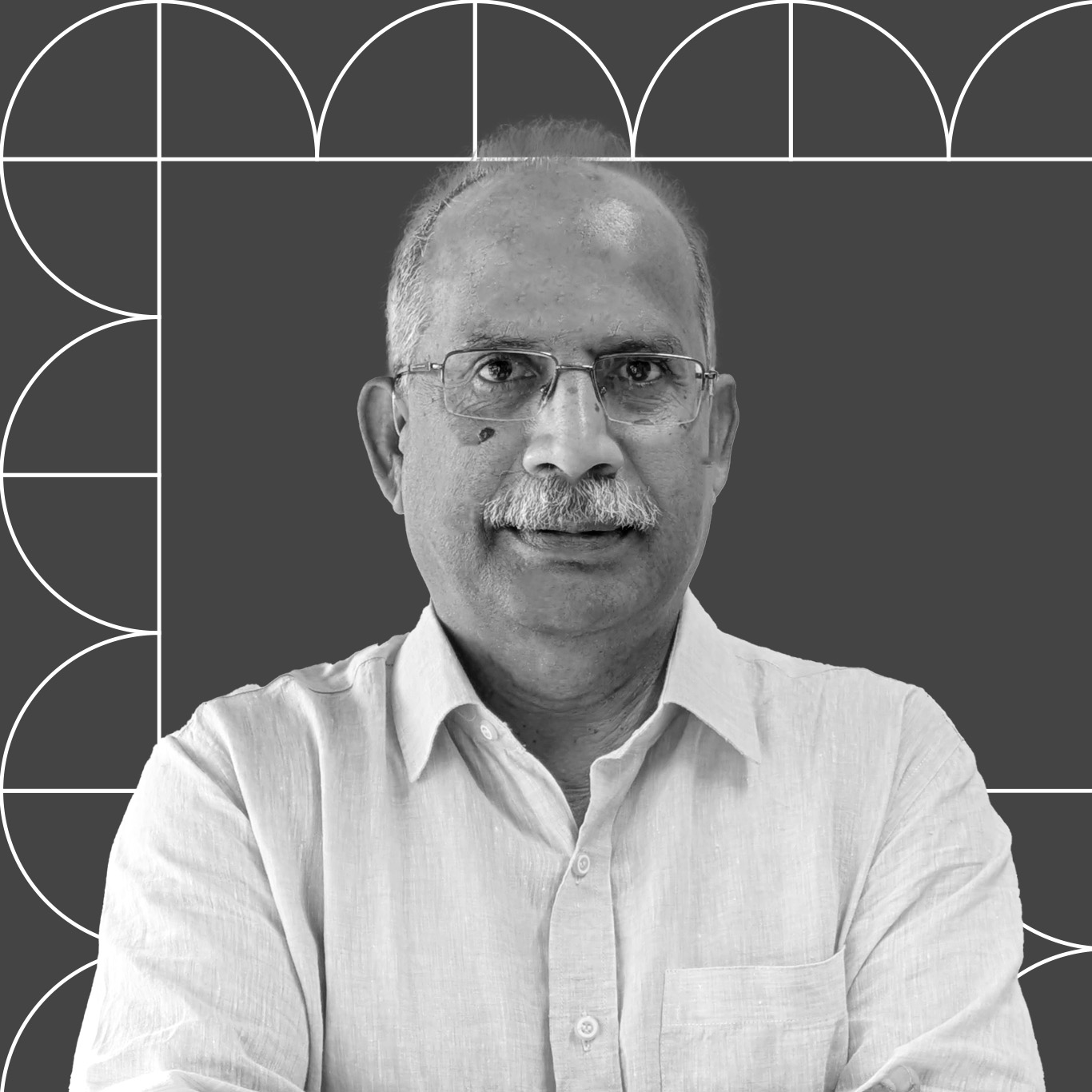
When you talk to Richard, about the future of Water, you quickly realise he thinks several steps ahead. He understands Water the way few people do. With decades of experience in business, engineering, engineering project management and asset management behind him, he has a grounded understanding of how the industry is shifting and what that means for Water and the mining companies who rely heavily on this vital resource every single day.
Richard believes the next decade will reshape the entire Water landscape. Climate pressures, ageing infrastructure, increasing community expectations and limited labour are already pushing the industry to rethink how Water is sourced, treated and reused. In mining, that pressure feels even greater.
“The volume of water used for mineral processing is under massive scrutiny, not only for usage but for tailings storage” he explains..
Communities are asking more questions. Regulators are tightening requirements. Even tailings storage and brine from inland desalination are drawing more attention. On top of this, many Water assets across the country have been underfunded for years, which means a lot of upgrades are now overdue. Richard sees these challenges as signs of a sector in transition. He expects to see more advanced treatment technologies, more focus on water reuse, and a shift to long term planning rather than short term fixes. As demand grows, he sees opportunities for companies who are willing to think differently and plan ahead.
“For mining componies, water is an operational risk, not a simple utility.”
Mining operations rely on water for everything from dust suppression to full mineral processing. When water becomes scarce or unreliable, the entire operation feels it.
“Undertake a businesss (risk) assessment with water and wastewater in mind.” he says.
Once companies really understand how critical water is to their day-to-day production, the case for backup sources, treatment systems and reuse becomes much clearer. He also sees huge value in looking beyond the usual solutions. Desalination is already on the rise, but he believes there are other alternative sources worth exploring. Reuse, both onsite and across operations, can also make a real difference, especially when paired with reliable engineering and strong maintenance strategies.
Richard points out that the expectations of communities, especially First Nations communities, are shaping how projects are designed and approved. Water extraction, treatment, emissions, environmental risks and tailings storage all carry a social impact, and companies will need to show genuine care and transparency in how they manage them.
This shift, he says, is not something to fear. It is a chance for mining companies to build trust, work more closely with local stakeholders and make decisions that benefit both operations and the environment. When companies take the time to understand what matters to the community, the outcomes tend to be stronger and easier to defend.
Richard’s advice always comes back to building reliable systems. He has seen what happens when teams rush or cut corners, and he has also seen the strength that comes from a well scoped, well maintained and well communicated engineering plan.
He believes mining clients get the best results when they invest in clarity upfront. Understanding the problem, choosing the right options, engaging the right people and planning for the full life of the asset makes a huge difference. And when water systems run smoothly, it supports production, environmental compliance and safety.
“I have a passion for systems engineering, problem solving and developing unique engineering servies for the clients, focusing on the scoping, cost-effectiveness and sustainability of the solutions.”
At Wave, Richard is helping build an offering that gives our clients confidence in their water planning and operations. He brings the experience of someone who has been in the field, worked with multiple stakeholders and guided projects all the way from scoping to handover. His approach is simple. Understand the risk. Listen to the people involved. Build something reliable. Then support the team who has to operate it.
“The water industry is complex and becoming more valuable.” he explains.
Richard sees this moment as a turning point for the industry. Companies that prepare early will be in a far stronger position in the years ahead.
If you would like to learn how Richard and his team can support you better address water-related challenges for your company, get in touch with us today!